Role in the Freedom Movement
- Home
- Movement
Defiance in Action
Leadership in the Ghumsar Uprising
Dora Bisoi emerged as a central figure during the Ghumsar Uprising, demonstrating remarkable leadership, strategy, and courage. As colonial policies increasingly encroached upon tribal lands and autonomy, he mobilized local communities, uniting diverse groups under a common cause. His approach combined careful planning with deep respect for tribal customs, ensuring that resistance was organized, disciplined, and rooted in collective values.
Community Mobilization – United scattered tribal villages into a coordinated and resilient resistance network.
Strategic Leadership – Used knowledge of terrain and tribal wisdom to plan effective actions while protecting communities.
Cultural Integrity – Maintained respect for tribal customs and governance, reinforcing morale and identity during the uprising.
Tactics of Unity
Resistance Strategies and Tribal Mobilisation
Dora Bisoi’s approach to resistance was both strategic and deeply rooted in tribal culture. He combined tactical planning with the power of community unity, ensuring villages were organized, informed, and ready to act collectively. By respecting traditions and leveraging social structures, he transformed scattered tribal groups into a coordinated force capable of defending their land, rights, and identity against colonial intrusion. His methods balanced action with cultural preservation, making the uprising both effective and meaningful.

Guarding Tribal Lands
Dora Bisoi organized tribes to protect forests and villages from colonial interference. Using knowledge of local terrain, communities set up watch points and natural defenses, ensuring early warnings and collective preparedness. This strategic coordination minimized losses while asserting control over indigenous territories.

Mobilising Local Support
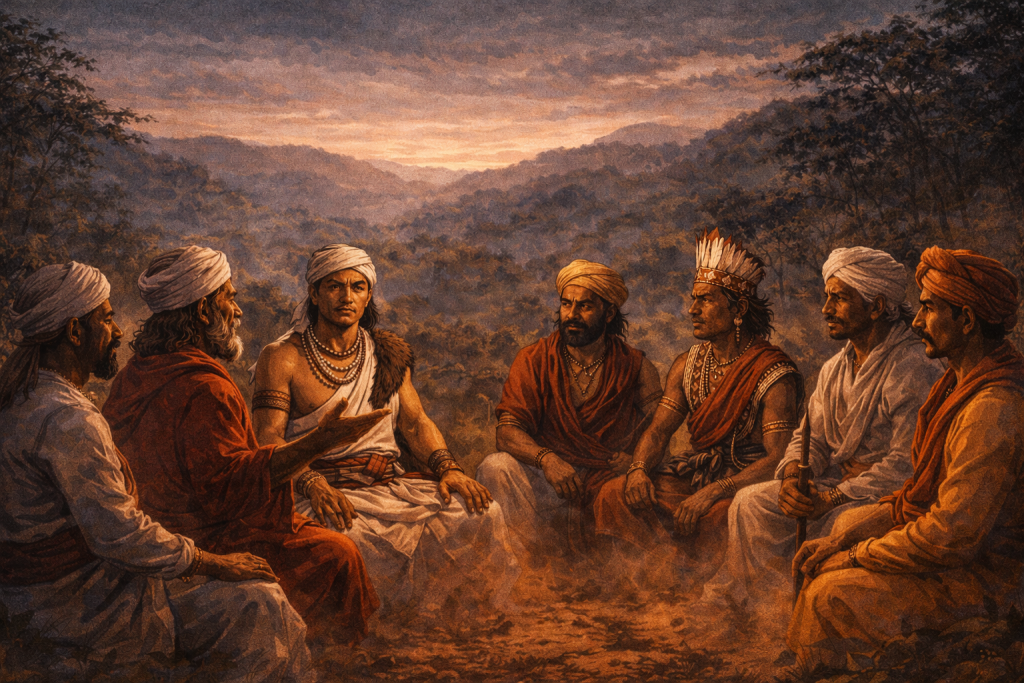
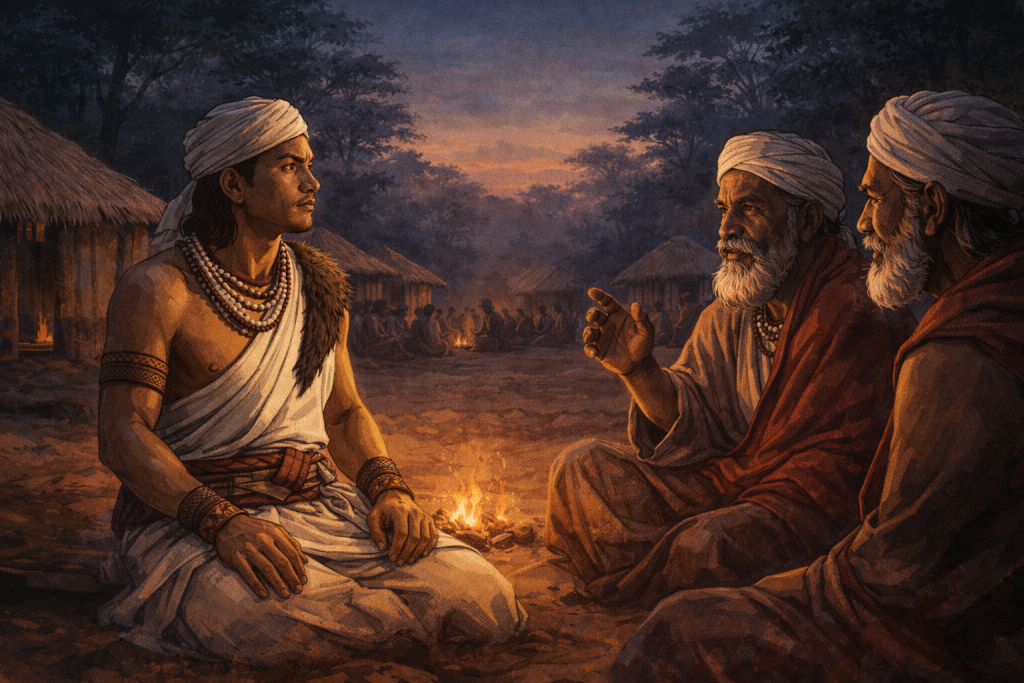
He fostered unity by engaging tribal elders, leaders, and families, emphasizing shared values and collective responsibility. Through storytelling, rituals, and meetings, communities were motivated to participate actively in resistance, strengthening solidarity and trust essential for coordinated action against British authority.

Strength Through Tradition
Dora Bisoi integrated tribal customs, festivals, and social hierarchies into mobilization strategies. By respecting traditional governance and rituals, he inspired loyalty and ensured participation while embedding the uprising within the cultural fabric of the tribes, making resistance a shared and meaningful endeavor.

Forming Tribal Coalitions
He built alliances with neighboring tribes, combining forces for greater impact. These coalitions enabled shared resources, coordinated defense, and unified strategies, making the resistance stronger and more resilient against British attempts to divide and conquer the communities.

Knowledge as Power
Dora Bisoi emphasized gathering information on British movements and regional changes. Scouts and local informants monitored colonial activities, providing actionable intelligence. This proactive approach allowed timely responses, minimized risks, and enhanced the effectiveness of tribal actions during critical moments of the uprising.

Inspiring Collective Morale
Beyond military tactics, he used symbolic acts, cultural expressions, and visible demonstrations of unity to inspire courage. These actions reinforced community identity, instilled pride, and motivated participation, ensuring that resistance was not only practical but also emotionally and culturally empowering.
Moments of Valor
Key Battles and Contributions
Dora Bisoi’s resistance against British colonial forces was marked by strategic planning, courage, and relentless determination.
Battle of Ghumsar Hills
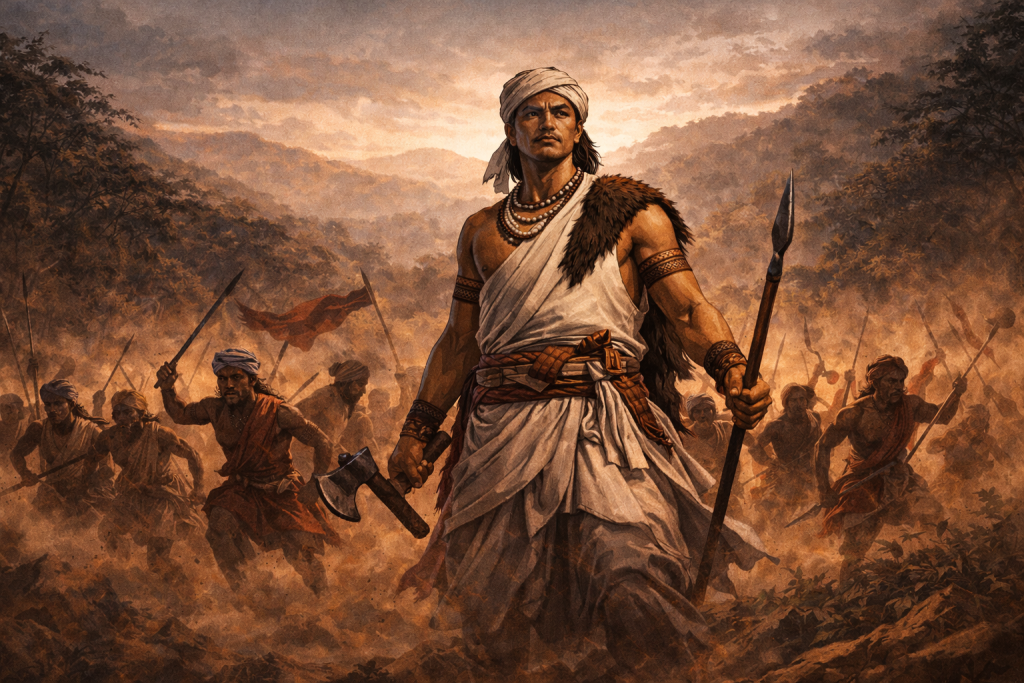
Dora Bisoi led tribes in defensive maneuvers against advancing British troops in the Ghumsar Hills. Using natural terrain, he coordinated ambushes and patrols, minimizing casualties while maximizing the resistance’s effectiveness.
Forest Defense Skirmishes
Small-scale skirmishes in dense forests allowed Dora Bisoi to outmaneuver better-equipped forces. By leveraging intimate knowledge of the environment, his forces were able to strike strategically and retreat safely, sustaining prolonged resistance.
Village Liberation Campaigns
He organized the defense and liberation of several tribal villages from colonial interference. These operations reinforced communal confidence and demonstrated the power of coordinated tribal mobilization.
Protection of Ancestral Lands
Dora Bisoi’s campaigns prioritized safeguarding sacred forests, farmland, and water sources. His strategic focus on land protection ensured the survival of traditional livelihoods and maintained cultural continuity.
Strengthening Tribal Alliances
Through successive battles, he forged alliances with neighboring tribal groups, creating a unified front. These collaborations amplified resistance efforts and established a network for coordinated action against British authority.
Allies in Resistance
Relationship with Other Regional Freedom Fighters
Dora Bisoi’s struggle against British rule did not exist in isolation. His leadership was part of a broader landscape of regional resistance, where tribal and local leaders across eastern India challenged colonial authority in their own ways. Though operating in distinct regions, these freedom fighters were connected by shared goals—defending land, preserving cultural autonomy, and resisting exploitative colonial policies.
Dora Bisoi maintained links with neighboring leaders and movements through informal networks of communication, mutual support, and shared strategy. Information about British movements, administrative changes, and resistance efforts often traveled through these regional connections. Such relationships strengthened collective resistance, reduced isolation, and fostered a sense of unity among diverse groups.