Voice of Tribal Resistance

And Unyielding Courage

Tribal Resistance

Brief Introduction

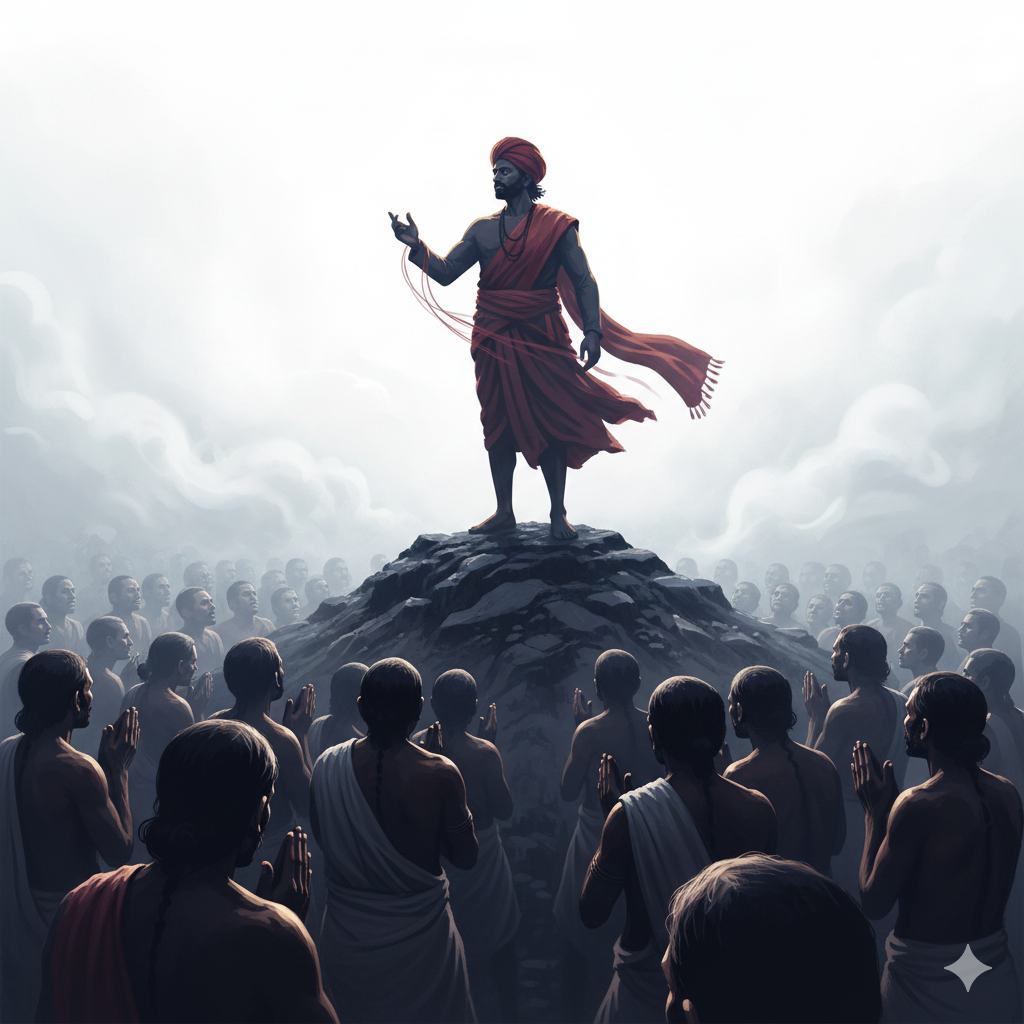
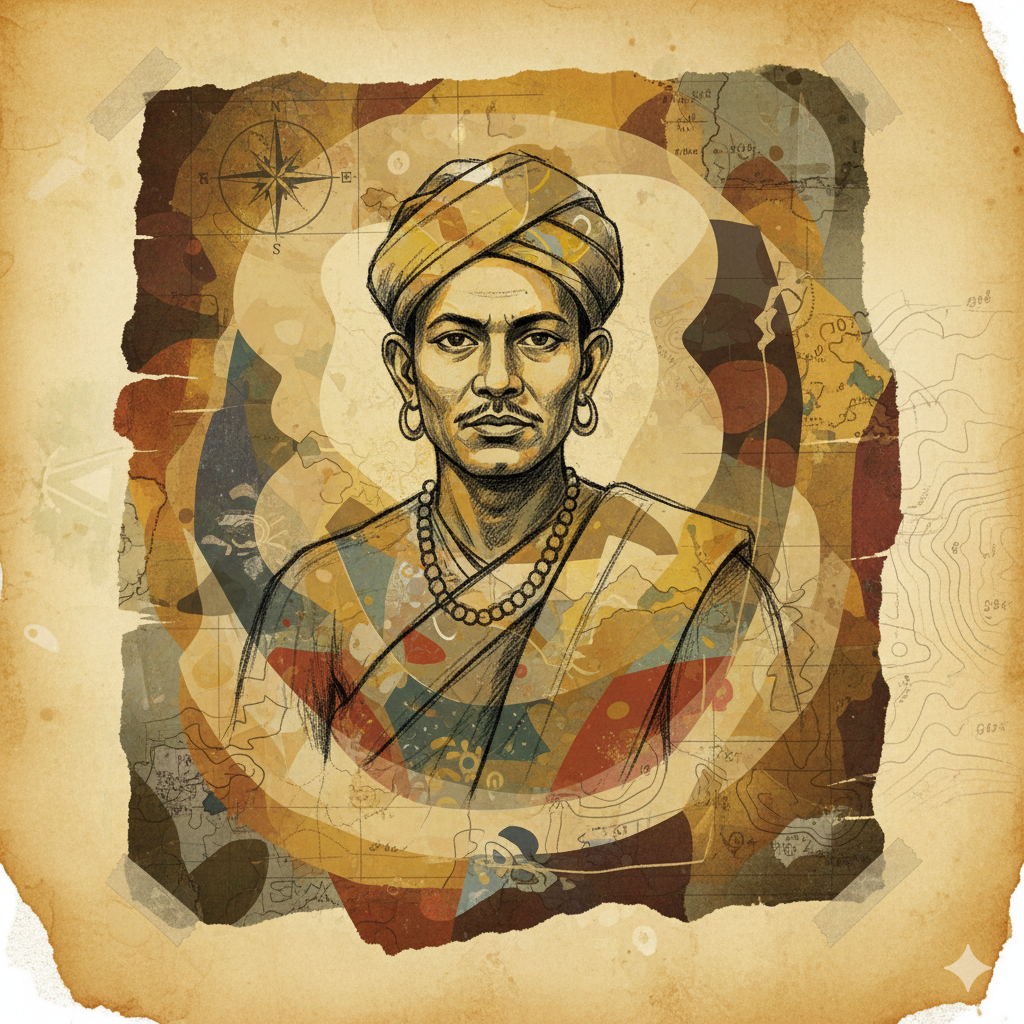
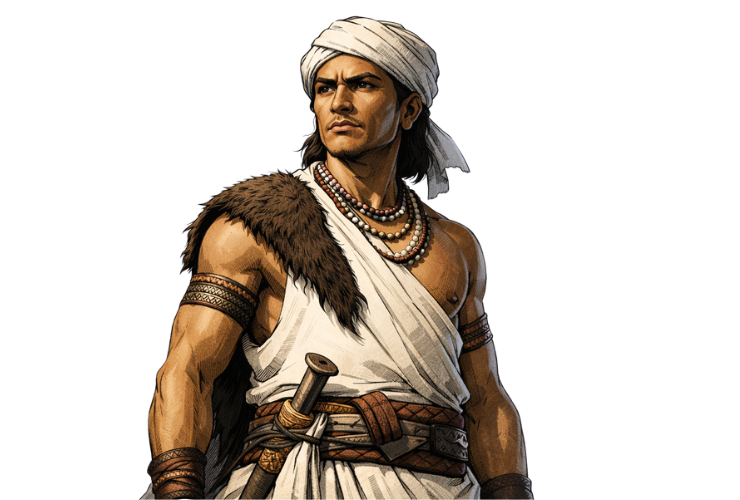
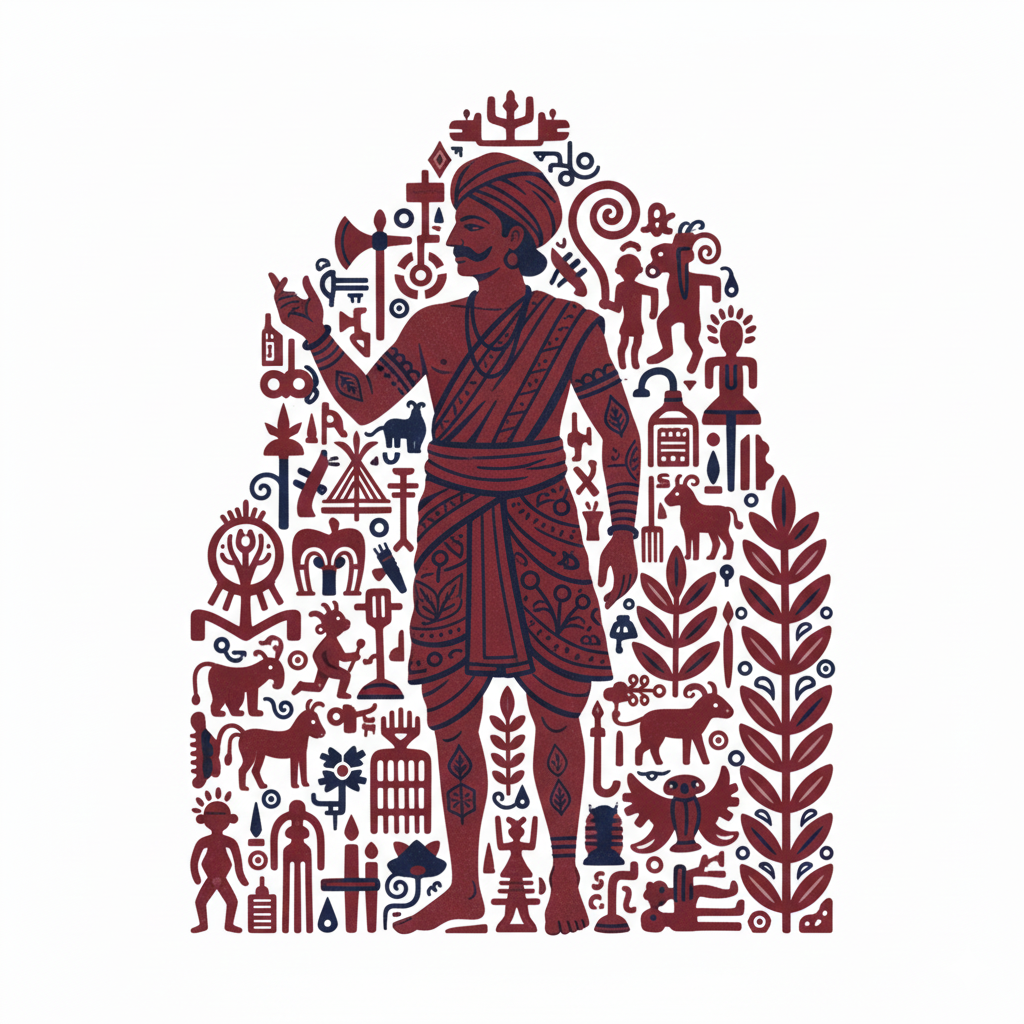
Dora Bisoi was a courageous tribal leader who emerged as a powerful symbol of resistance against colonial domination in eastern India. Rooted deeply in indigenous traditions and community values, he stood firmly against British policies that threatened tribal land, autonomy, and cultural identity. At a time when exploitation and displacement were widespread, Dora Bisoi unified local communities, inspiring them to defend their forests, livelihoods, and dignity.

His leadership was marked not by personal ambition, but by collective strength and moral courage. Through organized resistance and unwavering determination, Dora Bisoi challenged colonial authority and asserted the rights of indigenous people to govern their own lives. His legacy continues to resonate as a reminder of tribal resilience, self-respect, and the enduring struggle for justice and freedom.
Defiant Leadership

Key Highlights of Resistance

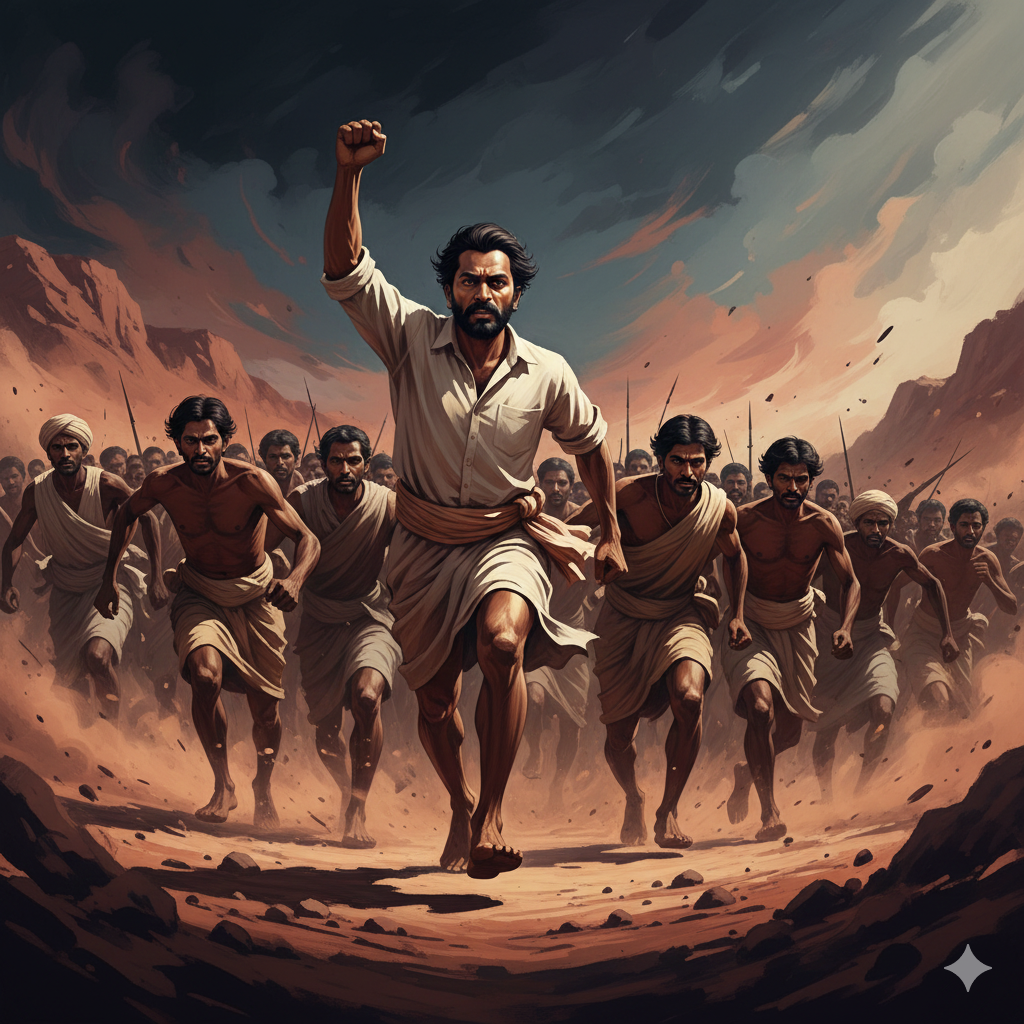
Dora Bisoi’s resistance against British rule was defined by courage, strategic unity, and an unwavering commitment to protecting tribal land and autonomy. At a time when colonial authority sought control over forests, resources, and indigenous governance, he emerged as a leader who mobilized communities to oppose unjust policies. His actions strengthened collective identity and challenged imperial power at the grassroots level, leaving a lasting mark on the history of tribal resistance.

Defense of Tribal Land

Dora Bisoi led organized resistance against British interference in tribal territories, standing firmly against land seizures, forced taxation, and forest restrictions that threatened indigenous livelihoods and cultural survival.

Community Mobilization

He unified scattered tribal groups under a shared purpose, encouraging collective action, solidarity, and participation. His leadership transformed local discontent into a powerful, organized movement.

Cultural Assertion

Beyond political resistance, Dora Bisoi defended tribal traditions, customary laws, and self-rule, reinforcing cultural pride and identity as acts of defiance against colonial dominance.

Key Sections

Quick links

Biography

Gallery

Movement

Scroll to Top