
About Dora Bisoi
- Home
- About
Formative Years
Early Life and Background
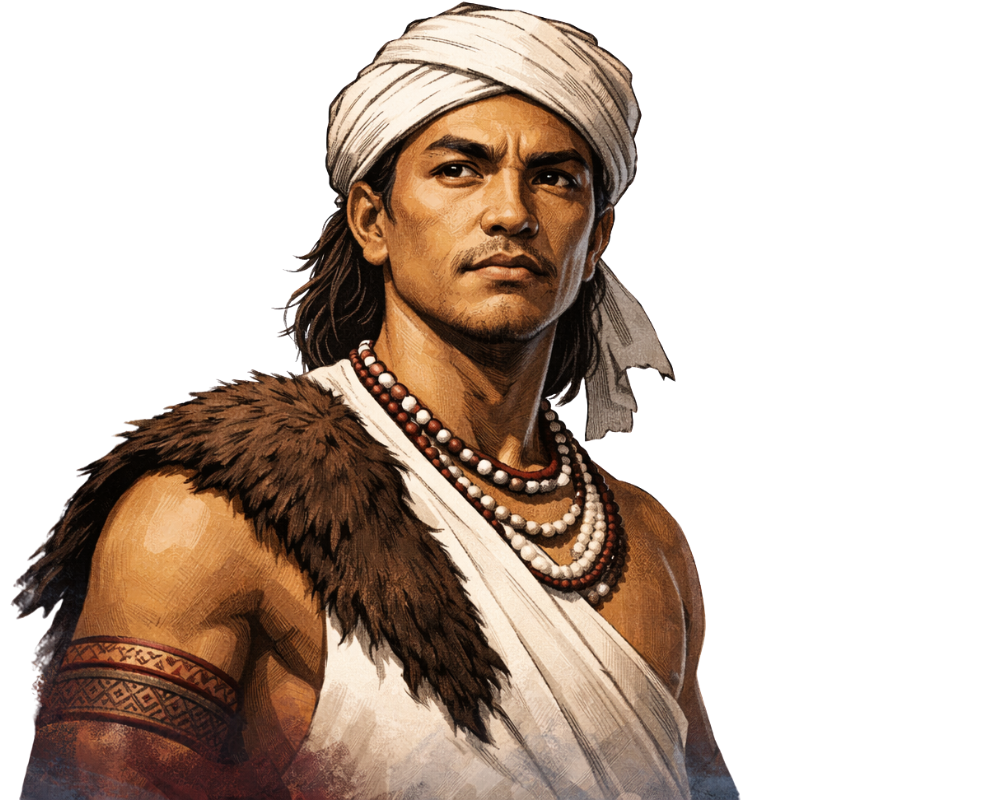
Dora Bisoi was born into a tribal community deeply connected to its land, forests, and ancestral traditions. From an early age, he was shaped by a way of life rooted in collective responsibility, respect for nature, and strong cultural values. His upbringing took place in a social environment where oral traditions, customary laws, and community bonds guided everyday life, forming the foundation of his worldview.
As colonial influence expanded into tribal regions, Dora Bisoi witnessed the growing impact of British policies on his people. Restrictions on forest access, interference in traditional governance, and economic pressures disrupted long-standing systems of self-reliance. These early experiences exposed him to injustice and loss at a formative stage, nurturing a deep awareness of the challenges facing his community.
Guided by elders and inspired by shared memories of autonomy and dignity, Dora Bisoi developed a strong sense of leadership rooted in service rather than authority. His early life was marked by observation, learning, and quiet resolve—qualities that later defined his role as a leader of resistance. The values instilled during these formative years became the moral and cultural backbone of his struggle against colonial domination.

Social Structure
Dora Bisoi emerged from a society built on collective living, mutual support, and shared responsibility. Tribal social life emphasized cooperation over hierarchy, where leadership was earned through trust and service. These social foundations shaped his belief in unity and collective action, later reflected in his approach to resistance and community mobilization.


Cultural Traditions
Cultural identity played a central role in Dora Bisoi’s life. Rituals, oral histories, festivals, and indigenous customs preserved community values and historical memory. These traditions were not only expressions of culture but also sources of strength, reinforcing dignity and continuity in the face of colonial disruption.


Tribal Identity
Tribal identity for Dora Bisoi was inseparable from land, forests, and ancestral rights. Customary laws and traditional governance ensured balance between people and nature. Defending this identity became an act of resistance, as colonial policies threatened to erase indigenous autonomy and replace it with external control.

Roots of Resolve
Influences and Formative Years
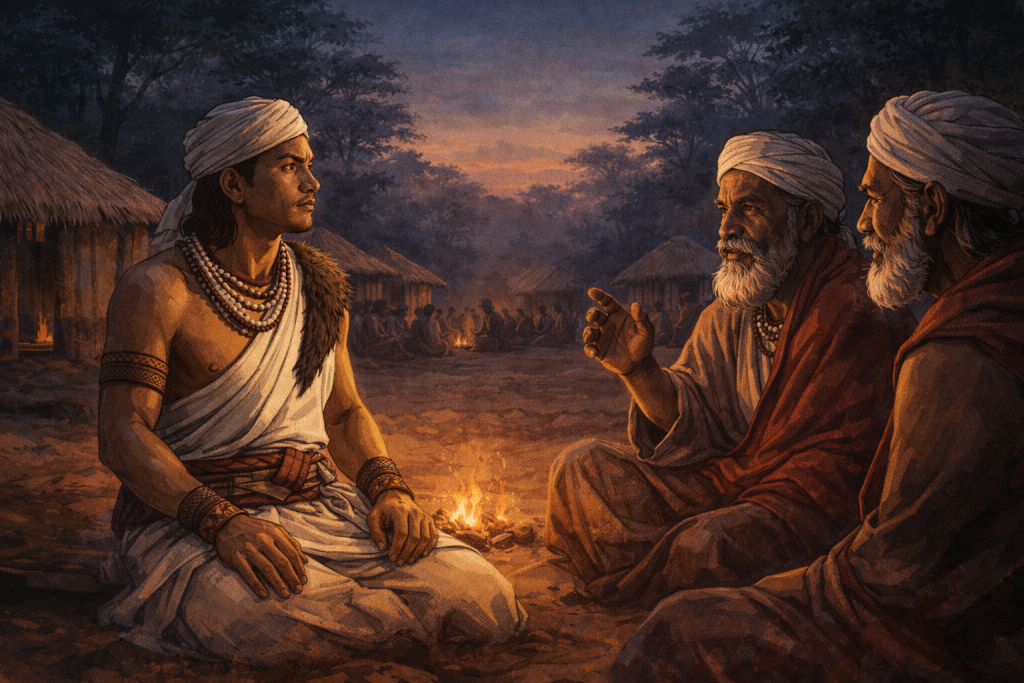
The formative years of Dora Bisoi were shaped by the wisdom of community elders, the strength of collective memory, and the lived realities of colonial intrusion. Stories passed down through oral traditions preserved accounts of autonomy, resistance, and moral duty, instilling in him a deep respect for ancestral values. These narratives did not merely recount the past; they served as lessons in courage, responsibility, and unity.
Equally influential were the social disruptions brought by British administrative control. Dora Bisoi observed firsthand the erosion of customary laws, restrictions on forest access, and the growing economic pressures placed upon tribal communities. These experiences sharpened his understanding of injustice and reinforced his commitment to protecting indigenous rights.
Through constant observation, guidance, and lived experience, Dora Bisoi’s character was forged with patience, resilience, and clarity of purpose. His leadership later emerged not from sudden rebellion, but from years of quiet learning and moral preparation rooted in community life and shared struggle.